Think Marijuana Addiction has any negative effects? Check out these stories about Addiction To Marijuana and see how partners and relationships can suffer.

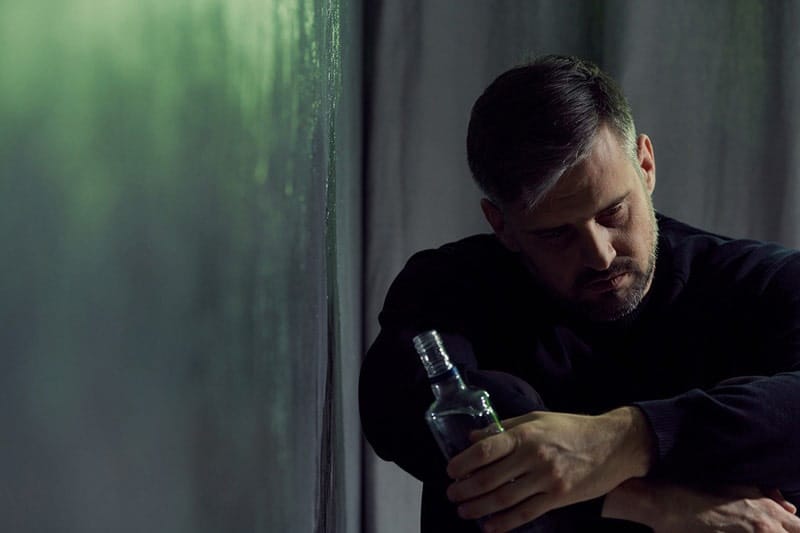
We all develop ways to cope with difficult situations and denial is one of them. Denial in addiction occurs because we don't want to deal with the truth. Those struggling with addictions use it to avoid facing the reality of their poor choices. And those close to them, particularly their partners, use it to do the same thing.
Denial is a form of sticking our head in the sand. And it's very, very common. Sadly, avoiding reality isn't a strategy that's successful for very long. The issues don’t go away, eventually the addiction, the problems that led to it, along with the new ones addiction brings, will cause even bigger problems. They may arise in your personal or work life, health, or more likely, all of these areas.
Every person I counseled yesterday had some form of denial in his or her lives that we were addressing: the two guys who abuse alcohol are in denial about their addictions and so are their wives; the guy who's wife won't join him in counseling because she doesn't want to hear that she could be part of 'his' problem has it; the guys who struggle with porn have it and so do their wives; the guy who won't hear his wife's pleas for him to communicate more with her has it. Denial is everywhere (exhibit #1 -- Addiction Treatment and Denial Equals Charlie Sheen).
Stopping denial in addiction is a key to getting change. But denial doesn't just occur with addictions, it can happen with anything. Preventing denial is really a cornerstone to healthy, successful living.
Partners of those stuck in addictions are always using some form of denial to cope. They would prefer to believe the problem doesn’t exist or that it can be managed. They would also like to believe that they don’t contribute to the problem or play a role in anyway. Unfortunately, not only is this thinking not true it’s also potentially dangerous.
Once learned, denial can become a natural response for our brains that we must learn to override it. So how do we stop addiction denial? Take a look at this post from our social media page.
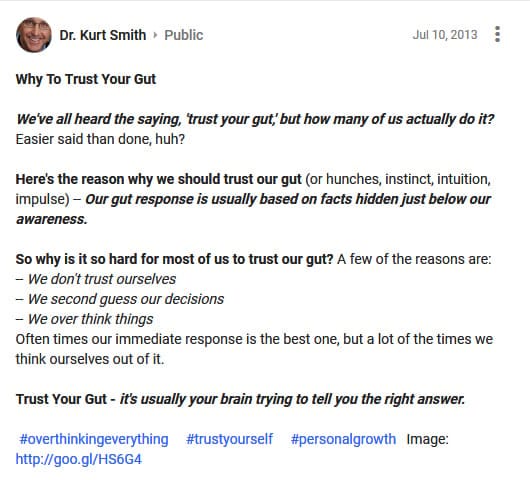
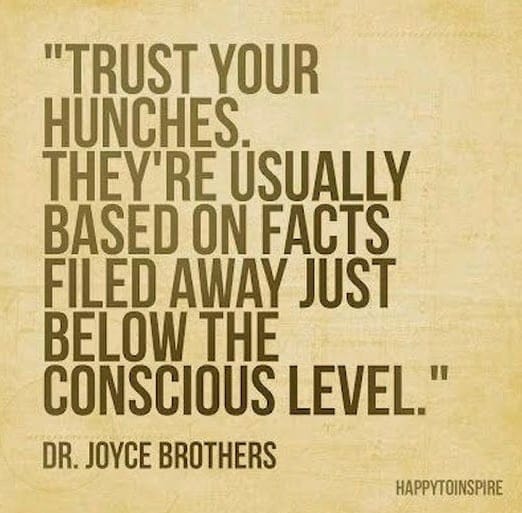
Trust your gut is the way to override denial in addiction? Yes, it is. I know it sounds simplistic, but it's actually true and it really works.
We all have a natural ability to recognize the truth. It's just the way we're designed. However, many of us have covered over that skill with denial and other destructive ways to avoid the truth. Why? Because everyone wants to avoid pain.
Denial and addiction go together so easily because none of us wants to believe painful truths. Addiction occurs because we are trying to avoid or numb the pain caused by deeper problems. If we recognize the addiction, then we're forced to have to make a decision of what to do about it. And if we do something about the addiction then we have to face whatever issues helped get us to that point.
Making the decision to deal with addiction and its underlying issues also requires us to accept what this truth means for us and our lives. These are very difficult and painful steps. Denial is such an easier choice -- at least for the short-term.
A guy told me yesterday that he just "never saw" his drinking as an "addiction." It's only after our counseling together for 6 weeks that he's now beginning to accept that truth. Addiction denial doesn't just happen with the one struggling though, it also happens with the partner too. This guy's wife has also been in denial about his alcohol addiction for several years.
Because people can live in a state of denial when it comes to the problems their partners are facing they unwittingly contribute to it. By saying and doing nothing they’re essentially giving permission to their partner and condoning their behavior. Unfortunately, it’s often not until their partner is in crisis or in danger that they open they’ll stop the denial, open their eyes and try to do something. By this point things are exponentially worse than they would have been if they had stepped in earlier.
Learning to hear and trust our gut is a skill that must be exercised to stop addiction denial. As I said in this social media post, "the reason why we should trust our gut (or hunches, instinct, intuition, impulse) -- Our gut response is usually based on facts hidden just below our awareness."
If you're struggling with an addiction, the partner of someone who may be, or stuck in a relationship that is having problems, look at the hard truth of how denial is likely at work. Remember, denial in addiction or anywhere in our lives, is just a way we avoid the truth. So where is the truth being avoided by denial in your life?
Did you find this post helpful? Get notified of each new post by signing-up at the bottom of this page or follow me on Facebook or Twitter where I post relationship and self-improvement tips like this one.
Editor's Note: This post was originally published May 3, 2014. It has been updated for accuracy and comprehensiveness.
Think Marijuana Addiction has any negative effects? Check out these stories about Addiction To Marijuana and see how partners and relationships can suffer.
Could you have an Arousal Addiction? Or know someone who might? It’s possible. Many people do. So find out what Arousal Addiction is and how it manifests.
Think you have an Alcoholic Husband? See how a men's counselor who treats addictions says you can get an Alcoholic Husband To Admit It.
© 2026 Guy Stuff Counseling & Coaching, APC, All Rights Reserved.
Privacy Policy | Sitemap | Do Not Sell or Share My Information
Featured logos are trademarks of their respective owners.
It is one of the hardest challenges; to endure a relationship with someone who has an addiction and refuses to address it or see how it impacts their partner. Thank you for this post, it was so needed.
Sylvia, You're right about how tough that is. One of the easiest things for a partner to do in this situation is not to practice healthy and appropriate boundaries, as well as not to take care of themselves. Get help if you're struggling doing these things. -Kurt
I am going through this right now in my marriage and it is one of the most painful things I have ever experienced, I believe my husband has either a sexual or porn addiction and I have tried communication tactics with him but he refuses to admit it or take any responsibility for his actions. He won't even discuss any of it. It began with him open profiles on hook up sites and for a long time that is as far as it went but recently he even had another woman in our home and they did goes as far as some form of sexual contact but again he refused to address the problem. It is tormenting me terribly.
As a recovering addict, my biggest problem is maintaining when siblings and mother are active addicts. It is a struggle everyday. I'm constantly questioned if I know where to get prescription pain meds. I'm not in denial that I have to deal with recovery for the rest of my life, but family makes the battle so much harder when they call me. They say please help, you know how this is. I'm tired, and very frustrated. The worst part is that they know this. My mom is especially in total denial.
Mireya, You're right that dealing with denial in those we love is very hard. We love them and want them to change, but their denial is in the way. Accepting that we cannot change someone else is one of the hardest things to learn and do. Make sure you don't comprmise your recovery in attemting to help them. -Kurt